President Zardari felicitates Canadian leadership on National Day

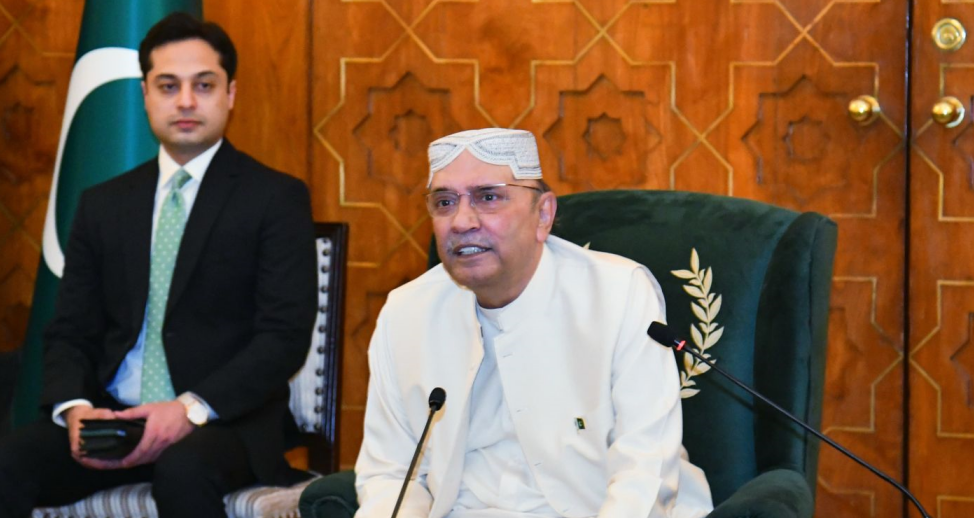
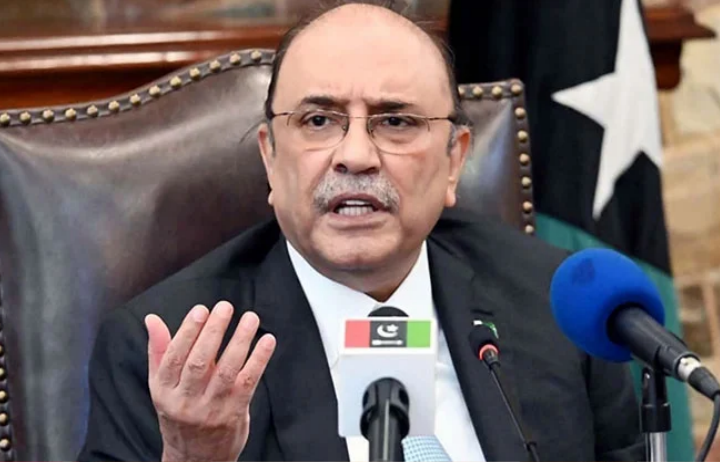
President Asif Ali Zardari has extended felicitations to the Governor General of Canada, Ms Louise Arbour, and the people of Canada on their National Day.

​The President said that Pakistan highly values its long-standing and friendly relations with Canada which are founded on mutual respect, shared interests and strong people-to-people ties. He expressed his confidence that bilateral cooperation between the two countries will continue to expand across areas of mutual interest including trade, investment, higher education and close collaboration in international forums.


.

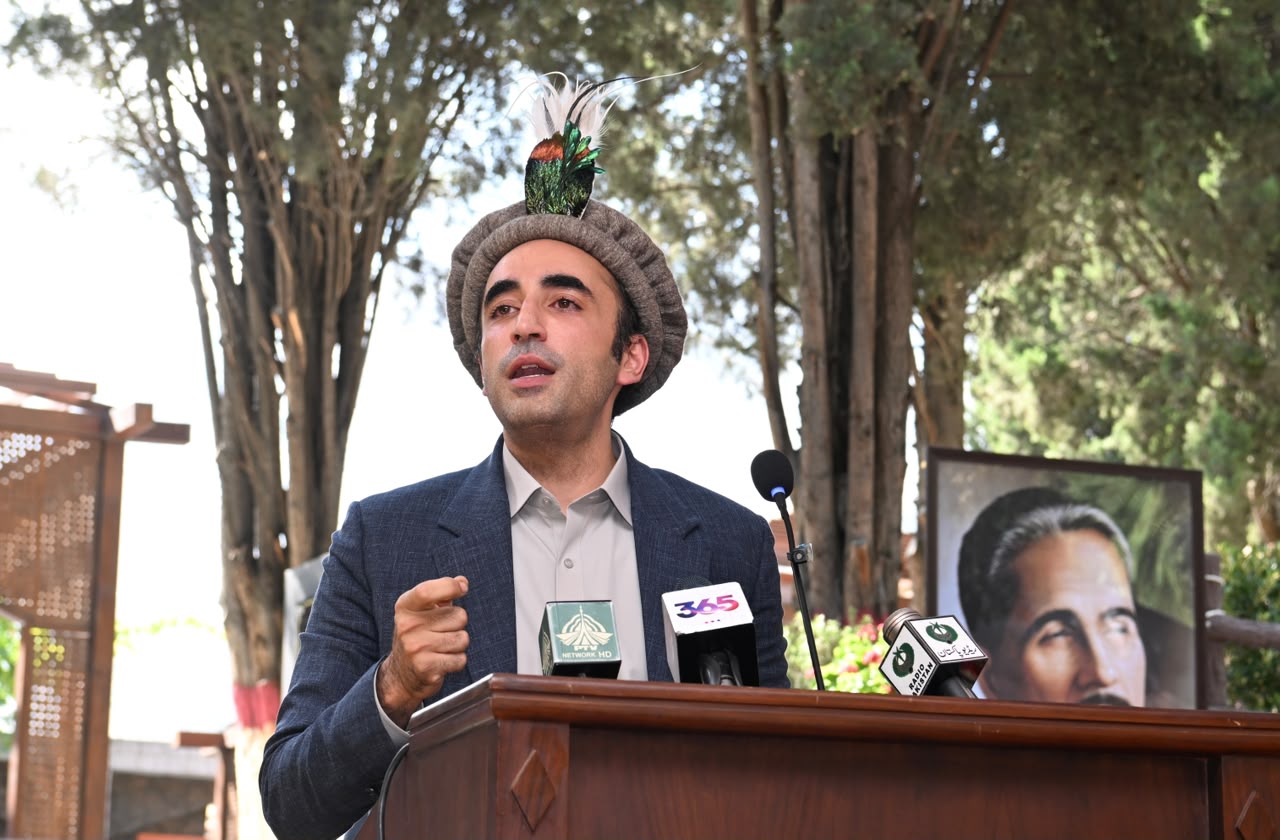
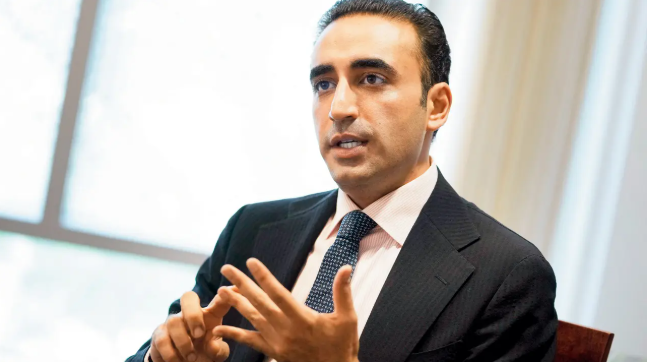
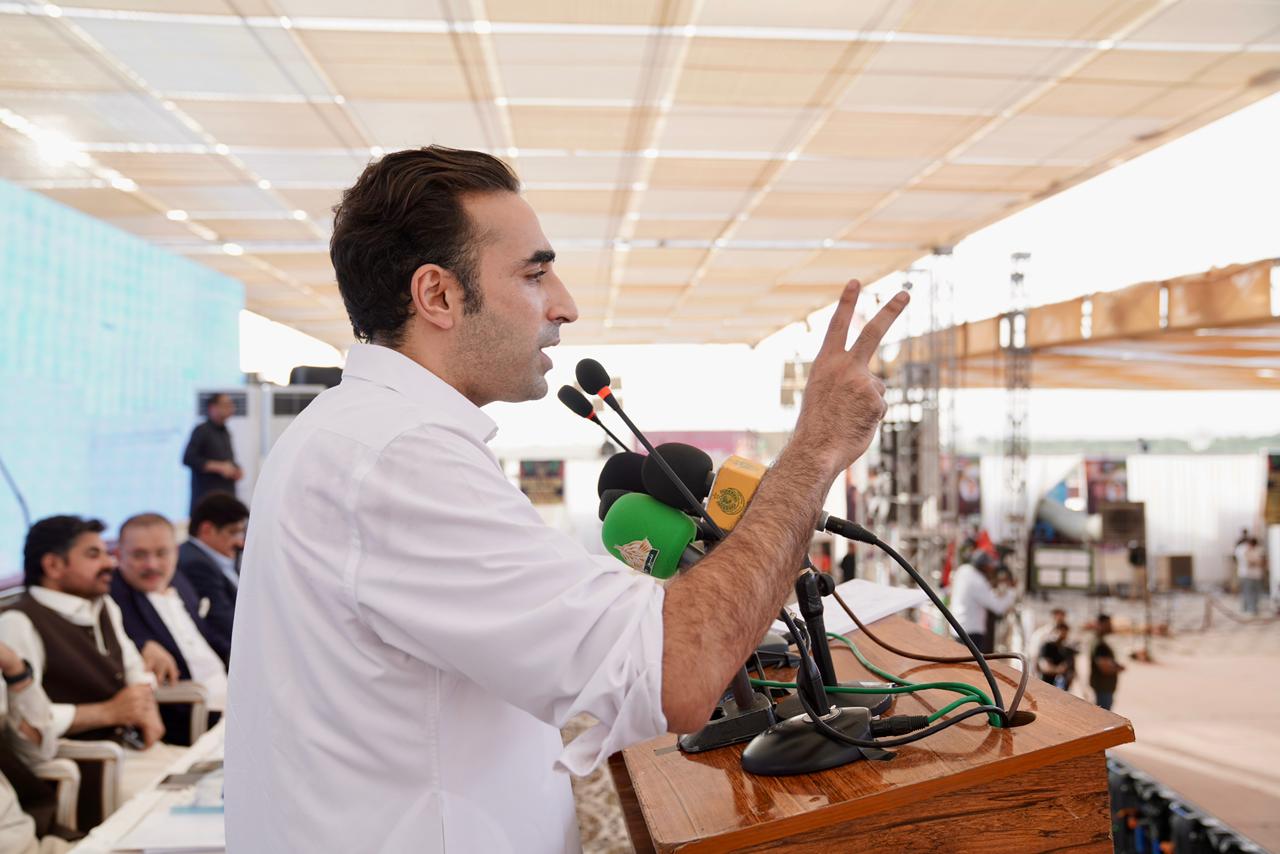
Chairman PPP, Bilawal Bhutto Zardari addressing an international seminar on Indus Water Treaty in Islamabad

Chairman PPP, Bilawal Bhutto Zardari addressing an international seminar on Indus Water Treaty in Islamabad warned the world of the grave nature of suspending the Indus Water Treaty unilaterally by India and vowed to save Pakistan from the existential threat by any means.

Chairman Bilawal on his keynote speech said that we meet at a grave hour, at a time when the world has been reminded that a waterway is not merely geography, it is power, commerce, food, fuel and life. The world saw that the Strait of Hormuz become the centre of confrontation between Iran and the USA. Pakistan’s mediation through the Islamabad Memorandum of Understanding attempted to open that artery of the global economy. Iran and the USA agreed to the ceasefire. Closing of Hormuz was the weaponization of a waterway. Just as no ceasefire and no peace could be achieved between the US and Iran with the Strait of Hormuz shut, similarly, how can any ceasefire between India and Pakistan hold without the Indus Water Treaty being restored, Chairman Bilawal asked. What is true for the Hormuz is true for the Indus, with even greater intensity, as Indus carries the lives of nations. India had announced its intention to abandon the Indus Water Treaty as part of their unjustified assault on Pakistan last summer. It is a war that is internationally recognized as one that India lost. Even India’s greatest allies cannot help but marvel at the number of planes downed by Pakistan. Pakistan emerging victorious has reshaped the geopolitics in the region. The concept of propping up India as a net security provider in the region has been abandoned and the world has moved on.

However, I must caution, while Pakistan has stuck to the ceasefire, India has not, Chairman Bilawal stated. There were clear and explicit terms in the ceasefire which were to be discussed in a meeting at a neutral location where all the friction points were to be addressed. In the meantime, we were to return to normal, which entailed India returning to its obligations under the IWT. However, India has not done so. It is a question for Pakistan to answer whether we still abide by a ceasefire that leaves far too many questions unanswered. Just as one could not imagine warring parties agreeing to peace without a free-flowing Strait of Hormuz, how can Pakistan be expected to sustain a ceasefire when India continues to pose an existential threat? Let there be no ambiguity in Islamabad, New Delhi, Washington, Beijing, London and the United Nations, this is not a technical dispute, Chairman Bilawal stressed. This is not a clerical clash between commissioners, or a matter of paperwork, hydrology or administrative issues, but the weaponization of water. The IWT was not given as a favor to Pakistan, it was a solemn international settlement brokered in the shadow of partition and the rivers of Punjab and Sindh could have not been left on the mercy of anger. The World Bank states clearly that the treaty allocates the western rivers (Indus, Jhelum and Chenab) to Pakistan and eastern rivers to India, while allowing each side limited use of rivers allocated to the other. When India says it will place this treaty in abeyance, it is not merely suspending meetings, but threatening survival. What is Indus to Pakistan? It is not a river on the map, it is our bread, cotton, wheat, fields of Sindh, orchids of Punjab, waters of Khyber Pakhtunkhwa, channels of Balochistan. It is our farmer at dawn, our mothers drawing water, children eating roti, our worker in the mill and our prayer before the harvest.

To cut the Indus is not to pressure a government, but to threaten a people, Chairman Bilawal said. Pakistan has over 200 million souls no state, no PM, no army, no court, no parliament, no political party, and no generation has the right to stand silent while the lifeline of those souls is placed under the shadow of coercion. We must speak with the seriousness that this situation demands. Pakistan must treat every step towards the strangulation of its waters as a national security assault, not merely as a diplomatic irritant, or a footnote in a foreign ministry brief, or another file to be moved from one desk to another. It must be treated as an attack on the foundations of the state.

This does not mean that Pakistan seeks war, Chairman Bilawal stated. We do not seek war, we have buried too many sons and seen too much blood in this region. We know the price of adventurism, and the tragedy of miscalculation. Peace is not surrender, restraint is not paralysis, diplomacy is not silence and patience is not permission. If India wants the world to take its threat seriously, Pakistan must compel the world to take our survival seriously. Our message must be clear, any move to block, divert, manipulate or potentially politically control Pakistan’s rightful waters will not be treated as routine engineering. Every survey, tender, canal proposal, dam design or every concrete step towards changing the flow guaranteed to Pakistan must be treated as a strategic warning signal. It must trigger the state’s response, be it legal, economic, political, diplomatic, informational, national security preparedness or even military response.
Chairman Bilawal said that Pakistan should not allow India to climb the ladder of coercion while we remain trapped issuing statements of concern. The strangulation of water is an existential threat, and we cannot remain silent while it is prepared, financed, designed, tendered and normalized. A nation does not wake up only when the riverbed is dry, a nation wakes up when the first stone is moved to sabotage our future. It is only rational to ask what are we doing in terms of military preparedness as India continues to pursue such measures. Pakistan must not make a single move that concedes India’s illegal position. We must not behave as though India’s decision is fait accompli. We must not build policy on the assumption that the treaty is dead. We must not rush to create downstream substitute dams in a way that tells the world India has succeeded, and now Pakistan is adjusting. We must not give the impression that we were victorious on the battlefield but have surrendered on the banks of the river. Pakistan’s position must remain immovable, the treaty lives, and Pakistan’s rights live. The Indus does not become India’s instrument because it has discovered the language of abeyance. Projects and dams already approved before India’s unilateral decision should continue on their own merit. Pakistan must complete what it has already planned, we must strengthen our dams, reservoirs, barrages, canals and flood management systems because Pakistan needs water security regardless of India’s aggression. Let us be precise, there is a difference between strengthening Pakistan and accepting India’s blackmail. There is a difference between national resilience and diplomatic surrender, there is a difference between preparing for scarcity and legitimizing theft. We must move on a war footing for water conservation. We must modernize irrigation, reduce waste in canals and invest in drip irrigation as well as smart agriculture. We must make every drop count not because India has the right to steal our water, but because Pakistan has a duty to respect its own future.

We must explore every source outside the scope of the treaty, Chairman PPP said. Desalination of our coasts, water recycling for our cities, climate-resilient water storage, regional water cooperation and even long-term feasibility of bringing water from Central Asia through negotiated corridors and sovereign agreements. Let engineers dream, let planners calculate, let diplomats negotiate and let the state act with imagination, Chairman Bilawal said. Do not confuse resilience with retreat, the Indus Water Treaty must be defended in every forum, be it the World Bank, United Nations, international courts, arbitrary bodies, friendly capitals, whether Muslim, western, African or Asian. The world now needs new law. Straits used for international navigation are governed by transit passage principles. Ships and aircrafts enjoy a right of passage that shall not be impeded. International water law also rests on the equitable and reasonable utilization, prevention of significant harm and prior notification of measures that may adversely affect other states sharing water courses. International humanitarian law recognizes that water installation and irrigation systems are indispensable for civilian survival. The ICRC has warned that the deprivation of water is a method of warfare and is strictly prohibited. Yet, the age we are entering demands more.
Chairman Bilawal said that we need a new international convention against the weaponization of waterways, it must apply to maritime chokepoints like the Hormuz and transboundary rivers like the Indus. It must prohibit the use of civilian water dependency as a coercive instrument. It must create emergency injunctions against unilateral treaty suspensions, and impose automatic international scrutiny on projects that threaten downstream survival. It must recognize that water coercion is not merely unfriendly conduct, but aggression by other means. The 20th Century feared the bomb, the 21st Century must also fear the faucet controlled by a hostile hand, Chairman PPP stated.

Addressing the Indian neighbors, Chairman Bilawal said that they cannot build greatness on the thirst of another people. You cannot call yourself a civilization while threatening another civilization’s river. You cannot speak of democracy while placing millions under a hydrological siege. You cannot invoke development by turning water into a weapon. The Indus is older than both our flags. It has seen empires come and go, it has seen kings, colonizers, conquerors, generals, viceroys, PMs and presidents. They all passed, the river remained and Pakistan will remain.

We must understand the nature of the conflict before us. It is not confined to one front and is not only the matter of borders, Pakistan is being targeted through proxies, propaganda, economic pressures, attempts at diplomatic isolation, hybrid warfare, politics of fear and now through the politics of water. This is war by other means. When a state seeks to isolate you, destabilize you, blame and bleed you, then threaten the river that sustains your people, you are already in a war of national survival, Chairman Bilawal said. Whether guns are firing every day or not is not the only test of war. The test is whether the life of the nation is being targeted.

Let us rise above the parties, provinces, factions and petty quarrels that have so often weakened us, Chairman PPP urged. The Indus does not belong to one government, party or province. It belongs to Pakistan and to history. Let there be unity in the Parliament and clarity at the GHQ, let there be resolve in the foreign office. Let there be urgency across the government, he said. We do not ask for charity, but demand law. We do not ask for sympathy, but demand justice. We do not ask for permission to live but assert our right to life. Pakistan must say to the world that the Indus cannot be held hostage, Chairman Bilawal said. The treaty cannot be suspended by arrogance, the river cannot be turned into a weapon and the thirst of children cannot become the policy of a neighboring state. Pakistan must say to India, do not mistake our divisions for weakness, restraint for fear, our appeal to law for lack of resolve. We have survived partition, war, terror, floods, dictatorships, sanctions, conspiracies, betrayal and we are still here. The Indus made us patient, fertile and stubborn. If anyone believes Pakistan will surrender the Sindhu, they do not know Sindh, Punjab, Khyber Pakhtunkhwa, Kashmir or Gilgit Baltistan. They do not know the people who have lived by these rivers for thousands of years. We want peace, but peace with dignity. We want coexistence but not submission.

From this seminar, this city and this moment onwards, let the message be that Pakistan will defend its water, people, treaty, sovereignty and future. It is in public literature on Pakistan’s deterrence posture, economic strangulation has long been treated as one of the gravest thresholds and stopping the Indus has been understood as falling within this category. When India weaponizes water, it is not merely violating a treaty but pushing South Asia towards the edge of strategic catastrophe. If we see an attack on our rivers as a military assault, we must respond militarily as well. Let the world understand the danger of what India has done, no power however large, arrogant or intoxicated could impose an existential defeat upon Pakistan. A nation does not defend its life at the final moment but the first warning, Chairman Bilawal said.

The Indus is not a bargaining chip or a weapon to be placed in India’s hands. It is a lifeline of Pakistan, and any attempt to turn it into a noose must be treated as a threat to the survival of our state. This is the message that Pakistan must deliver to India and the world. Peace in South Asia will not be preserved by pretending coercion is harmless, but only when India understands that the rivers of Pakistan cannot be touched without shaking the foundations of regional stability. If the international community does not build new law against the weaponization of waterways, then every downstream nation will one day become hostage to the ambitions of an upstream power. Pakistan must therefore lead the argument not as a beggar, victim or state pleading for sympathy, but warning the world that the path India has opened is one towards catastrophe. The treaty lives, Pakistan’s rights live, and Pakistan will not surrender the Sindhu, Chairman PPP said.

Water strangulation destroys people by hunger, thirst, crop failure, disease, migration and social collapse. Therefore, Pakistan must not allow the world to hide behind technical language. India will call it a ‘treaty dispute’, ‘administrative abeyance’, ‘hydropower’, ‘development’ or an engineering survey. A dam is not merely a dam when it is built on the throat of a nation. Pakistan has publicly described attempts to stop or divert its rightful use of water as an act of war. A nation that waits until the riverbed is dry has waited too long. Every step towards the weaponization of Indus must produce a corresponding elevation in Pakistan’s national response. We do not seek war, but must recognize war when it is being prepared against us, Chairman Bilawal said. Deterrence survives only when the adversary understands that every movement towards the red line carries consequences, risks and national resistance.

India placed the Indus Water Treaty in abeyance as part of the Operation Sindoor. Pakistan has treated this suspension as unlawful by preparing legal action and warning that water diversion will be an act of war. Let the world hear this from Pakistan, we will not allow India to redefine aggression as engineering, coercion as development, treaty violation as national security, or to place its hand on the throat of the Indus and as Pakistan to behave as though nothing has happened. The Indus is not a river, but the civilizational artery of Pakistan. To threaten the Indus is to threaten Pakistan itself. The message to India is clear, it cannot suspend the treaty and expect normal relations. The world has just seen what happens when a waterway becomes a weapon. The Strait of Hormuz is called the artery of the global economy because energy flows through it, the Indus is more than that. This is why the world needs new law, a water way that sustains civilians cannot be converted into a weapon. The law must recognize that in the age that we are climate-stressed, water aggression is as destabilizing as military aggression.
Chairman PPP said that Pakistan must understand that we need to win the legal, political, diplomatic, climate and the deterrence case. In order to achieve this, national unity is integral. The Indus belongs to the farmer of Sindh, grower of Punjab, worker of Karachi, family of Balochistan, mountains of Pakhtunkhwa and is the future of every Pakistani child. As long as the Sindhu flows through the body of Pakistan, we will not bow. Chairman Bilawal concluded his address by raising the slogan of “Marsoon Marsoon, Sindhu na Desoon (We will die, but not give up the Indus)”


.

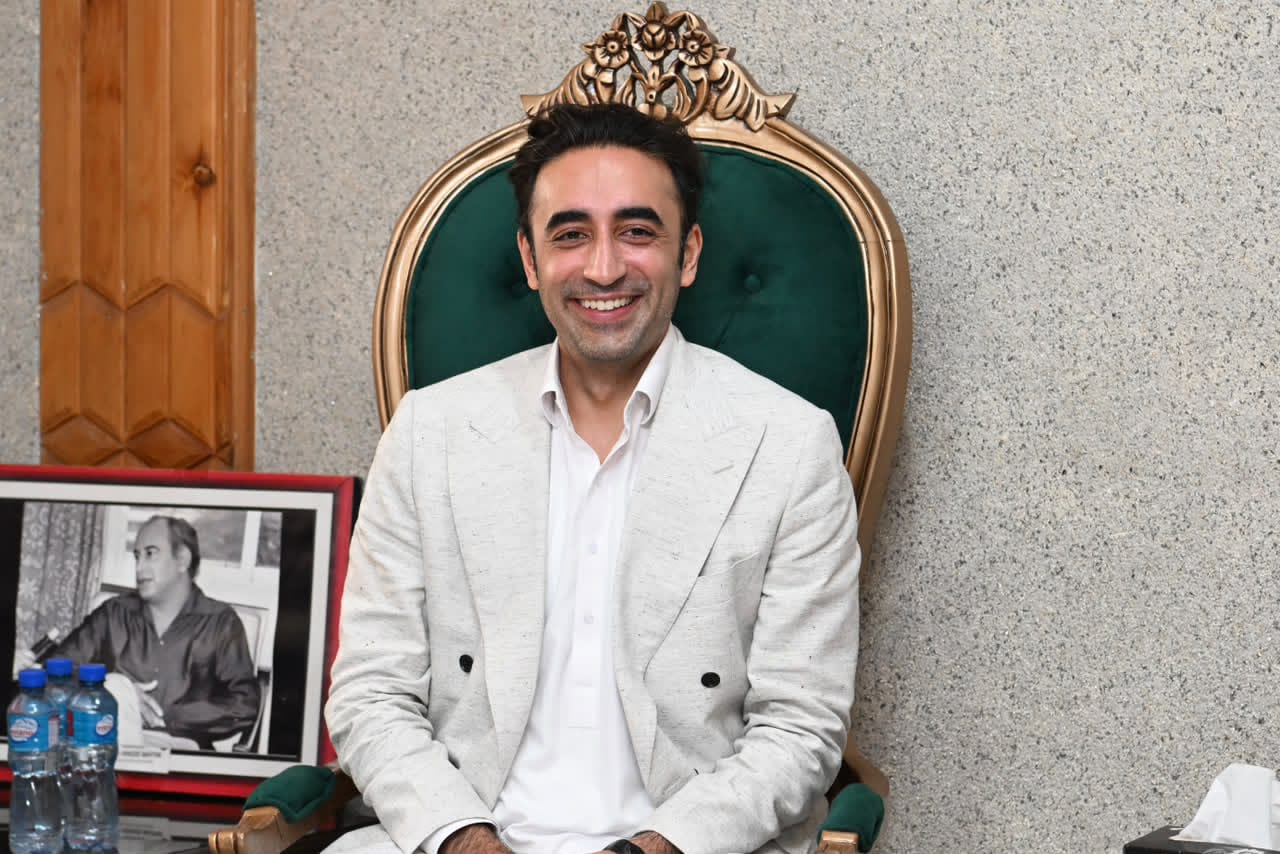
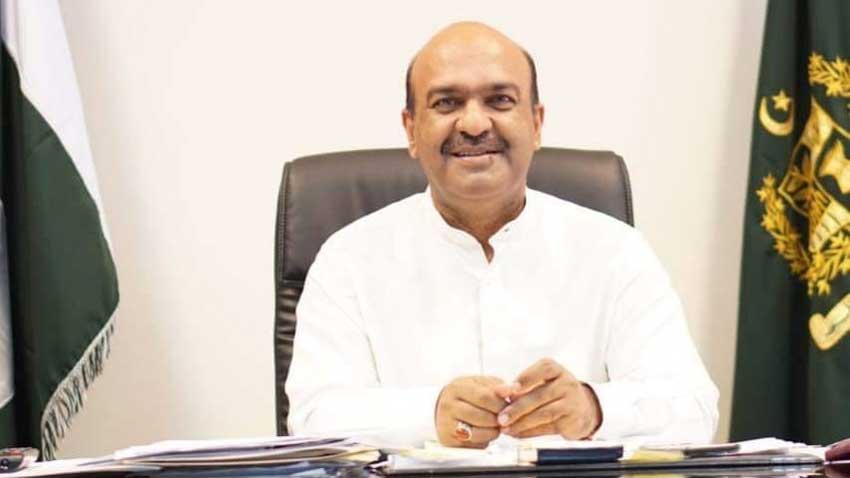
Secretary General of Pakistan Peoples Party Parliamentarians Syed Nayyer Hussain Bukhari,

Secretary General of Pakistan Peoples Party Parliamentarians Syed Nayyer Hussain Bukhari, in his message on the occasion of International Day of Parliamentarism, extended congratulations to democracy-lovers across the world and particularly in Pakistan.

He said that the leader of Pakistan Peoples Party, Shaheed Zulfikar Ali Bhutto, gifted the book of the Constitution to a land without a constitution. The historic, exemplary, and memorable struggle of Shaheed Mohtarma Benazir Bhutto for the restoration of democracy and the people’s right to rule remains unforgettable. The leaders and workers of the Peoples Party sacrificed their lives to strengthen the parliamentary democratic system, and Pakistan Peoples Party takes pride in being the founder of the parliamentary system.

He further stated that the Peoples Party and pro-democracy parties endured imprisonment, lashes, and hardships for the restoration of democracy. Pro-democracy parties, along with the people, waged an exemplary struggle for the parliamentary system and democracy.

Nayyer Bukhari said that the democratic parliamentary continuity in the country is the fruit of President Asif Ali Zardari’s wisdom and foresight, and the sacrifices and struggle of democracy-loving people. Hope of Pakistan, Chairman Bilawal Bhutto, is an effective and powerful voice for the people and democracy in Parliament.

He added that the dignity and respect of Parliament, which represents the aspirations of the people, is the top priority of the Peoples Party. We pledge to follow in the footsteps of the leaders who strengthened Parliament, the Constitution, and democracy with their blood.


.

No interference in provincial autonomy should be allowed: Nayyer Hussain Bukhari

“Nothing in black and white yet on 28th Amendment” PPP Secretary General

Pakistan Peoples Party Secretary General Nayyer Hussain Bukhari said that provincial autonomy must remain free from interference.

Speaking on Sunday, Bukhari stated that the PPP supported the Pakistan Muslim League-N (PMLN) government in budget formulation. “However, the politics of the PPP and PMLN remain separate,” he said, adding that Chairman Bilawal Bhutto Zardari issued his statement keeping ground realities in view.

“PPP is a democratic party and considers it a responsibility to highlight public issues,” Bukhari said.

Commenting on the 28th Amendment, he noted that nothing has been presented in black and white so far. “The issue of NFC has been raised under the 28th Amendment. The provinces resolved the matter themselves and provided funds to the federation from their own resources,” he said.

Bukhari stressed that the public should be given their rights through local government elections.

“PPP won the local government elections with public support. MQM did not even participate, and Jamaat-e-Islami would have had a right to the mayorship only if the people had voted for them,” he said.

He urged MQM and Jamaat-e-Islami to show patience and allow the local government system to function in Karachi.


.

Ashura a Reminder of Eternal Struggle Between Truth and Falsehood: Nayyer Hussain Bukhari

Secretary General of Pakistan Peoples Party Parliamentarians (PPPP) Syed Nayyer Hussain Bukhari on Wednesday said Ashura serves as a reminder of the eternal struggle between truth and falsehood.

In a message issued on the occasion of Youm-e-Ashura, Bukhari said the great sacrifice of Hazrat Imam Hussain (A.S.), his family members, and devoted companions in Karbala teaches the lesson of standing firm against oppression, tyranny, and injustice.

“The martyrdom of Imam Hussain (A.S.) and the Ahlul Bayt is an indelible chapter of history that carries a lesson for all of humanity to resist the oppressor,” he stated.

He added that Karbala embodies the message of refusing to bow before falsehood and upholding principles even in the face of extreme adversity.

Youm-e-Ashur, the 10th of Muharram, is observed across the country to commemorate the martyrdom of Hazrat Imam Hussain (A.S.) and his companions in the Battle of Karbala.


.

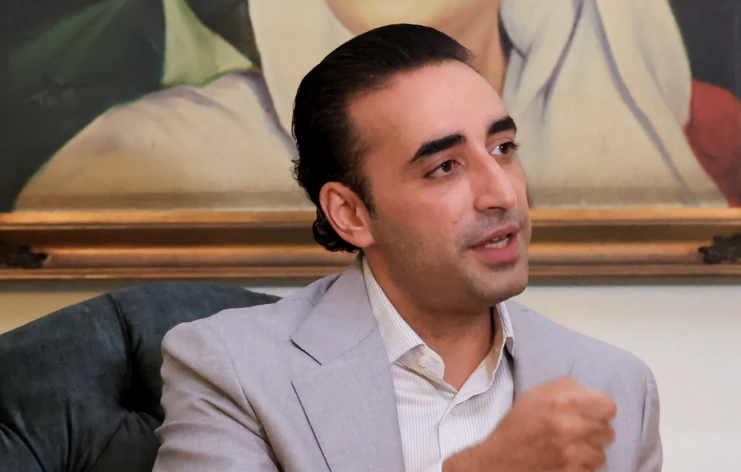
Chairman Pakistan Peoples Party, Bilawal Bhutto Zardari addressing the National Assembly session today

Chairman Pakistan Peoples Party, Bilawal Bhutto Zardari addressing the National Assembly session today said that certain ministers of the current government are creating obstacles for the PM’s work rather than assisting him.

Chairman Bilawal said that he has voted twice for PM Shehbaz Sharif as the PM, who has constantly sought constructive engagement with allies and the Opposition. In light of the geopolitical situation and the country’s standing, all political parties of Pakistan should unite and combat issues. This is a prerequisite for availing opportunities for the Pakistani people. However, certain ministers make statements and give advice which makes this initiative difficult.

Chairman Bilawal Bhutto Zardari said that no one can deny that the current government and political parties have made efforts to devise a political solution for AJK. However, he questioned the presence in the federal cabinet of a minister who had stated that the people of Rawalakot were not Kashmiris. “How is it possible that we tolerate such remarks coming not only from a senior politician but also from the country’s Defence Minister?” Chairman Bilawal asked. He said that while criticism of statements made during protests in Kashmir is justified, the individuals making those remarks neither hold public office nor are they members of the Assembly. “How, then, can we justify such statements when they come from a federal minister?” he asked. Chairman Bilawal said that he respects Rana Sanaullah and is aware of Mian Muhammad Nawaz Sharif’s connection to Kashmir. However, he said that, alongside Kashmir’s own political and local challenges, the remarks of certain federal ministers have exacerbated tensions. He referred to a statement by a federal minister regarding elections in Kashmir, in which the minister claimed that “12 seats are in our pocket”. Such remarks provided those seeking to create unrest in Kashmir with a pretext to do so and added fuel to the fire, Chairman PPP stated.

Chairman Bilawal said that it is not on the federal government alone, perhaps mistakes may have been made in the short PPP tenure. However, now is not the time for the government to adopt a stance that makes it difficult to pave a political path. He said that as an ally, his advice would be to give Maulana Fazlur Rehman the space, as per his proposal, to engage with the protestors, federal and AJK government to devise a sustainable solution.

The PM must have the mandate, to have the authority to control his team, Chairman Bilawal said. If ministers keep making contradictory statements, which do not align with the PM’s policy, then it will only lead to more hurdles. While addressing the members of the Assembly from Karachi, Chairman Bilawal said that they have no actual issue with the PPP, their own cabinet colleagues are doing politics with them. They are deliberately misleading you, and instead of having you get your rights from them, want you to target the Sindh government and the PPP, Chairman Bilawal said while addressing them. While they have the right to criticise, they should also do so with the PM and colleagues in the government. He said that if the PM and the government are not fulfilling their demands, then they should leave the government. “Is Karachi more important, or these seats?”, Chairman Bilawal questioned.

Chairman PPP said that as far as the local bodies system is concerned, it is only intact under the PPP’s governments. Under the PML-N government, they are terrified, and not willing to hold elections for a union council. The PPP is willing to take part in local government elections, be it in Islamabad or anywhere else. Chairman Bilawal said that they should introduce legislation to have local government elections in Islamabad in under 90 days. They should empower the mayor of Islamabad so much, that we are inspired from their economic and administrative authority. They do not do so, because the local bodies system is only a lollipop for the honourable members of Karachi. The people of Pakistan are aware that the local bodies excuse is only to make us fight amongst ourselves. Chairman Bilawal demanded for local body elections to be held countrywide before any constitutional amendment, including Islamabad and Punjab. The PPP is going to form the government in Gilgit Baltistan, and wishes to hold local body elections in 90 days there too.

Chairman Bilawal said that this is not the time to focus on one’s political differences, but unite to tackle issues we are faced with. He also called for the budget approval process to be concluded before Ashura because members would need to return to their homes to observe the day.


.

President Asif Ali Zardari receiving President of the Islamic Republic of Iran, Dr. Masoud Pezeshkian, upon his arrival at Nur Khan Airbase.

President of the Islamic Republic of Iran, Dr. Masoud Pezeshkian met President Asif Ali Zardari today at Aiwan-e-Sadr. The two leaders discussed bilateral relations, mainly regional peace and security, bilateral and regional connectivity, economic cooperation and other issues of mutual interest.

The Iranian President was accompanied by Foreign Minister Seyed Abbas Araghchi, Chief of the President’s Office Mr. Mohsen Haji Mirzaei, Minister of Interior Mr. Eskandar Momeni, Saeed Abbas Mousavi Chief of Political Affairs of President’s Office and Ambassador of Iran to Pakistan Mr. Reza Amiri Moghaddam.

From the Pakistani side Deputy Prime Minister and Foreign Minister Senator Mohammad Ishaq Dar and Chairman PPP Mr. Bilawal Bhutto Zardari, ex-Foreign Minister, Minister for Interior Syed Mohsin Raza Naqvi, Minister of State for Interior Talal Chaudhry, Chief Whip Senate Senator Saleem Mandviwala and Dr. Asim Hussain were present during the meeting.

President Zardari welcomed President Pezeshkian on his first State Visit to Pakistan after the recent conflict and noted that the visit reflects the longstanding brotherly relations between the two countries and a desire to stay together in good and bad times. He congratulated President Pezeshkian on the signing of the Islamabad Memorandum of Understanding and expressed the hope that the ongoing technical-level negotiations would culminate in permanent peace in the region.

The President reaffirmed Pakistan’s principled support for Iran’s peace, stability, national unity, sovereignty and territorial integrity. He stated that Pakistan has consistently opposed one-sided initiatives and has supported dialogue and diplomacy as the means to achieve a durable and sustainable solution to regional and global challenges. He also underscored Pakistan’s commitment to preserving the unity of the Muslim Ummah while maintaining strong fraternal relations with the countries of the Gulf region.

President Zardari once again expressed condolences on the martyrdom of His Eminence Ali Hosseini Khamenei and said that Pakistan would participate in his funeral.

President Pezeshkian thanked Pakistan for its positive and constructive efforts in support of peace and dialogue and appreciated the support extended by Pakistan during recent challenging circumstances. He said Iran attaches great importance to its relations with Pakistan and looks forward to further expanding cooperation in political, economic, security and regional matters.

President Zardari requested President Pezeshkian to convey his warm regards to His Eminence Ayatollah Seyed Mojtaba Hosseini Khamenei, the Supreme Leader of the Islamic Republic of Iran.


.

Ms. Asifa Bhutto Zardardi, First Lady of Pakistan on the International Day of Women in Diplomacy

On the International Day of Women in Diplomacy, I pay tribute to the women who have devoted themselves to advancing understanding, dialogue and cooperation among nations. Their service has strengthened international partnerships and contributed to a more peaceful and connected world.

Pakistan is proud of the distinguished women who have represented our country with dignity and excellence. From Begum Ra’ana Liaquat Ali Khan and Begum Shaista Ikramullah, who helped shape Pakistan’s diplomatic presence in its formative years, to Shaheed Mohtarma Benazir Bhutto, whose leadership brought global recognition to Pakistan, generations of Pakistani women have left a lasting mark on public service and international affairs.

Today, Pakistani women continue to serve with distinction as ambassadors, diplomats and representatives in international organizations and multilateral forums. Through their professionalism, judgement and dedication, they advance Pakistan’s interests and contribute to international peace and cooperation.

Pakistani women diplomats, alongside their colleagues, continue to play a meaningful role in supporting Pakistan’s contributions to peace, stability and constructive international cooperation.

On this occasion, I extend my appreciation to all Pakistani women diplomats, past and present, whose service has brought honour to our nation. Their achievements are a source of pride and continue to inspire young women across Pakistan to pursue careers in public service and international affairs.


.

Chairman Bilawal addresses National Assembly budget session

Chairman Pakistan Peoples Party, Bilawal Bhutto Zardari addressing the budget session at the National Assembly said that the agreement between US and Iran is a new ray of hope for the region and the entire world. It is proof of dialogue being better than war, and diplomacy being more powerful than confrontation.

Chairman Bilawal extended felicitations to PM Shehbaz Sharif and President Asif Ali Zardari for always standing for peace. He paid tribute to Field Marshal General Syed Asim Munir and the Armed Forces for bringing pride to Pakistan through their leadership and defense of our country.

Bilawal Bhutto Zardari said that Pakistan knows the cost of war well. We have sacrificed our loved ones, combated terrorism and suffered through the economic consequences of uncertainty and instability. This is why Pakistan always raises the flag of peace because it is not just a moral obligation but an economic necessity. When peace prevails, trade increases, so does investment and employment. Countries do not attain greatness through might of weapons alone, but by giving hope and opportunity to the people, and support to the poor. Pakistan would too need to take a step towards progress, as the whole world is taking one towards peace.

The reality is that our region is not entirely peaceful even now, despite peace efforts between Iran and the US. Elements that want to harm the peace process exist. We are still facing security challenges on our Western border, the one we share with Afghanistan. On the eastern side, we are being threatened with an “Operation Sindoor 2” by India. One-sided efforts are being made for the Indus Water Treaty to become controversial. Foreign elements are supporting terrorism and trying to harm Pakistan.

During such situations, nations are tested. It gives me immense pride to say that Pakistan has handled this situation by displaying political consensus and democratic values. The federal and provincial governments have decided to shoulder the burden of extraordinary necessities owed to defense and national security. This decision has not been taken through any unconstitutional means, but is within the scope of the Constitution. This has been done in accordance with Article 164 through grants. Pakistan’s Constitution gives the federation and provinces the right to use grants in order to address needs that arise.

Chairman Bilawal said that friends in the media, prior to the budget, were speculating that the 18th Amendment would be abolished or that the rights of the provinces would be snatched, or perhaps the BISP would be discontinued. However, we are thankful to PM Sharif, DPM and FM Ishaq Dar, the Finance Minister and the entire team of the PM. We were engaged with the government to present a constitutional and democratic solution to fulfill the national security needs, as well as those of the provinces. We have decided that Sindh along with the rest of the provinces will also contribute to this. The federal government has pledged to keep the NFC Award intact for the provinces.

Chairman Bilawal said that the real strength of countries lies in their constitution and political unity. Pakistan has once again proved that it can uphold these values in today’s world. If we address the remaining issues in this manner, we can overcome any obstacle. Given this, he said that he would like to point out a recent precedent in Pakistan. There is an impression that provinces have more fiscal space than the federation after the 18th Amendment. Provincial governments too face economic constraints, from KP to Sindh. Despite the 18th Amendment and the NFC Award, no province has been given its due share. Time and time again, provincial governments have given sacrifices. During the 2008-2013 PPP government, in order to combat floods, we introduced a petroleum levy with the intent to aid flood victims. It is 2026 today, and that petroleum levy is being collected today along with several others, and provinces are not getting their share.This levy was a violation of the 18th Amendment and NFC Award. Every provincial government is told to show a surplus, which means that the amount is not spent on the people. The province of Punjab has made the greatest contribution and sacrifice in this regard. Last year, it showed a surplus of 700 billion rupees, and 900 billion rupees this year. That money can be spent on the people of Multan, DG Khan and Gujjar Khan. However, due to the IMF programme’s obligations, the provinces and their inhabitants are giving this sacrifice. The province of Sindh has shown a surplus of 400 billion rupees, which could have been spent on Lyaari, Korangi, Larkana and Nawabshah. Similarly, the KP province has its own challenges, it too has to show a surplus while it is not taken into account that tribal areas have recently been integrated with it. The federal and provincial governments have failed to deliver on their promises to the tribal chiefs.

Chairman Bilawal said that the Israel-India nexus intends to inflict harm upon us, through terrorism and our issues with Afghanistan. In light of this, all provinces have agreed to contribute. Not only the government and its allies, but the KP province which is being run by the Opposition has also decided to put political differences aside to take part in this effort. Chairman Bilawal welcomed this decision of the PTI, and said that if the Opposition continues to prioritise national interest, then there is no problem we cannot tackle.

Chairman Bilawal proposed that the federal and provincial governments have to work together to introduce a long-term and sustainable plan for growth-oriented economic policies after this budget is passed.

Chairman Bilawal Bhutto Zardari stated that it is unfortunate and shameful how the BISP has been targeted. He said that the first argument in its favour is that the world acknowledges the BISP, from reports of the World Bank to the IMF. If poverty is to be tackled, then the programme needs to be expanded, not the contrary. Chairman Bilawal especially lauded the PM for expanding the BISP despite the discourse against it. Millions of households have been supported through it, provided education to children and healthcare to new mothers and infants, and also joined relief efforts from floods to COVID. It has proved to be the most effective method, and not only is it humane but also Islamic. When the BISP helps mothers feed, clothe and send their children to school, it is not only an initiative, but also a moral and religious duty. The BISP is also good economics, since progress is not trickled down, but begins from the downtrodden. The poor do not put money into banks, but rotate it in the economy and support small businesses. The BISP also provides supports to national security, at a time when there is insurgency, religious extremism and separatism that is foreign-backed. Every army in the world knows that any insurgency is not battled by weapons alone, but the hearts and minds of the people need to be won. A country which wins the hearts of its people cannot be defeated, Chairman Bilawal said. The PPP will always defend the BISP, he resolved.

Chairman Bilawal said that the agricultural economy of the country does not prosper when big landowners do, but when the small farmers do. Similarly, the economy does not progress when the mill owners do, but when the labourers get their due share. The progress of Pakistan is not the rich getting richer, and the poor getting poorer, but when the young people are given employment opportunities. When the government decides that the fruits of progress are to be given to the people of Pakistan and the downtrodden first, then the country will prosper. Chairman Bilawal recalled talking to a counterpart when he was the FM, and detailing the potential of the CPEC and the roads that are being constructed as well as the Orange Line train. He was asked by the foreign FM about the route change in CPEC, and the western route being built first, where already developed areas were to be benefited. He said that if the eastern route was prioritised, then areas in KP and Balochistan which had been impacted by terrorism would be benefited, and more economy opportunities would be created. He further said that to build a train, the loan must have been substantial, and instead, if that money had been allocated to build Gwadar further, every city of Pakistan would have its own Orange Train, and not on a loan. The objective of retelling this story is to introduce growth-oriented projects so that the country is not run on loans but experience true progress, which is not limited to specific areas.

Chairman Bilawal expressed his gratitude to the people of Gilgit Baltistan for reposing trust in the PPP, and giving it a clear lead with 11 seats, with our representative being elected from every division. He said that they have shown him and Aseefa Bhutto Zardari that the people are still standing with the party of Shaheed Zulfikar Ali Bhutto. They are the most patriotic people in all of Pakistan, and are the nation that fought and freed them themselves to become a part of Pakistan. Chairman Bilawal asked what we did for them in return. We gave them the system of the FCR instead, which was abolished by Shaheed Zulfikar Ali Bhutto. This laid the foundation for the relationship between the PPP and the people of GB. Then, they were left without any support again, until Shaheed Mohtarma Benazir Bhutto gave them political rights. Then, President Zardari gave them an identity, and a governor and CM during the PPP’s era. Chairman Bilawal said that he has promised governing, ownership and employment rights to the people of GB.

Chairman Bilawal said that the PPP has shared historic ties with Kashmir. Having served as the youngest FM, he asked how long the people of Kashmir would remain deprived of the right to join us in this House. He said that their representatives should be permitted to sit in this House on an interim basis and present their views. Until a plebiscite takes place, it is my request to this House, and the institutions to heed this demand.

Chairman PPP said that certain developments in Kashmir have sparked concern. It is no secret that a day prior to the Iran-Israel war, Netanyahu had hosted the same Modi who is adamant on there being an Operation Sindoor 2. Every Pakistani is aware of the challenges we face in Balochistan, and that an Indian agent, Kulbhushan Jadhav was caught from there too. Moreover, certain separatist elements had even welcomed the Israeli attack on Iran. When the Israeli IDF is exhausted from killing children and carrying out a genocide, they go to IOJK to spend their vacations and do high altitude trainings. Now, even when the war is over, this nexus will continue to target us. We have to collectively ensure that the enemies are not to take advantage of our fault lines.

Regarding the situation in Azad Kashmir, Chairman Bilawal said that those that equip themselves with weapons against the state and people, they have to face the consequences before the law. Whatever is happening in Kashmir is not only hurting our reputation, but the Kashmir cause. Our demand to them is to disperse, since we will not let them harm the cause or Pakistan. Chairman PPP said that his only mandate to the government in Azad Kashmir was to implement the agreement and then head towards elections. Eighty percent of the agreement was implemented on, what is remaining are long-term points, funding needs to be discussed with the federation, and we need to build consensus with other parties as well. He said that the manner in which the protest is being carried out is raising problems for the Kashmiri people, and they cannot access basic facilities. The protestors should themselves hand over those individuals that have taken law into their own hands to the AJK police. He said that the organisation has not ever contested any election.

Chairman Bilawal said that no other province would accept their legislative numbers being determined from elsewhere. This becomes a question mark. Our stance is that the decisions of Kashmir will be made by the people of Kashmir themselves. Now, this is a complication, however, no one’s property or life should be threatened for this. This can be addressed with a debate, but not by force and guns. We strived three decades to restore the 1973 Constitution. This is not how changes are made. We need to convince the Muslim Conference and the Muslim League on the appropriate consensus. Our party’s stance is that we cannot compromise on the representation and votes of muhajireen. Our objective is to resolve their legitimate grievances without compromising on the votes of the muhajireen. Only Kashmiris will make decisions for Kashmir, Chairman Bilawal said. PPP’s suggestion is that the muhajireen seats should be decided per the elections in Kashmiri areas, and allotted like a ratio, to ensure the representation of muhajireen, as is done for reserved seats. It should also be ensured that muhajireen are given the right to vote. Chairman Bilawal said that he does not appeal but insists the protestors to protect the Kashmir cause, and conduct themselves in a political manner. He said that a few weeks ago, Mehbooba Mufti in her speech said that there is freedom and peace in AJK but not in Occupied Kashmir. Those protesting would have to disperse, and sit with political parties to devise a solution. This challenge requires us to break from the mould and the status quo. Those participating in the upcoming elections in Kashmir would have to decide whether they want to take part in traditional politics or strive for their rights. As a mature political party, we want to give a new manifesto the people of Kashmir, and the PPP will take part in these elections, as we did in GB elections.

Chairman Bilawal said that the Kashmiri people are given the right to speak up, then the choice they make will be even clear. Despite Modi’s efforts from Balochistan to Kashmir, this House is willing to combat all efforts and conspiracies. Modi says that he does not accept the Indus Water Treaty, but the entire Pakistan is ready to fight for it because it is our survival. We appreciate what DPM FM Dar and his team is doing on an international level. Internally, Pakistan needs to ensure that its ongoing projects are completed. Outside of the Indus Water Treaty, Pakistan needs solutions to address water issues. The agricultural loss of Balochistan and Sindh is not theirs alone, but of Pakistan. Pakistan should take no such step that gives the impression that we are accepting defeat or giving up on the Indus Water Treaty. President Zardari’s pipeline project with Iran is a hot topic these days, but another one of his projects is Pakistan getting water through Central Asian republics. A 3 million dollar feasibility study has also been done in this regard, and if we follow these recommendations, we can address and resolve all issues as we stand at a crossroads.


.

PRESIDENT ZARDARI WELCOMES SIGNING OF ISLAMABAD MEMORANDUM OF UNDERSTANDING

President Asif Ali Zardari has warmly welcomed the signing of the Islamabad Memorandum of Understanding between the United States of America and the Islamic Republic of Iran, describing it as an historic moment for the region and the world.

In his message, the President said that the conflict which began in February 2026 inflicted immense suffering upon the peoples of the region and caused severe disruption to global energy supplies, trade and economic stability.

He expressed hope that such a tragedy would never be repeated and that the nations of the region would now devote their energies to development, prosperity and the well-being of their peoples.

The President paid tribute to Prime Minister Muhammad Shehbaz Sharif, Deputy Prime Minister and Foreign Minister Senator Mohammad Ishaq Dar, Field Marshal Syed Asim Munir COAS and Minister for Interior Mohsin Naqvi for their tireless diplomatic efforts that contributed significantly to bringing the parties to an agreement.

He noted that Pakistan had played a principled, balanced and constructive role throughout the crisis, consistently calling for dialogue, restraint and a peaceful resolution of disputes while maintaining engagement with all parties concerned.

President Zardari also appreciated the leadership of President Donald Trump, His Eminence Ayatollah Seyyed Mojtaba Hosseini Khamenei, President Masoud Pezeshkian and Foreign Minister Abbas Araghchi for ensuring a diplomatic resolution of the conflict and advancing the cause of peace.

President Zardari also acknowledged the valuable support of brotherly nations, including Qatar, Saudi Arabia, Türkiye and Egypt, as well as the Russian Federation and China, whose efforts and encouragement of dialogue contributed to the pursuit of peace.

The President called upon all parties to implement the IMoU fully and expedite efforts to reach the final agreement within the stipulated timeframe to ensure lasting peace and progress.
“Heroes are those who have ended the war, not those who are eager to start one,”the President said.

He expressed the hope that this MoU that has Islamabad and Pakistan written all over it, would serve as the foundation for a durable and comprehensive peace in the region, enabling nations to focus on economic development, energy cooperation and the advancement of their peoples.

“War brings nothing but destruction and misery. Peace is the only path to progress,” the President said. “Pakistan will continue to stand in solidarity with all brotherly nations of the region in their collective journey towards peace and prosperity.”


.