Senate Committee Unanimously Approves Sherry Rehman’s Bill to End Plastic Wrapping of Books

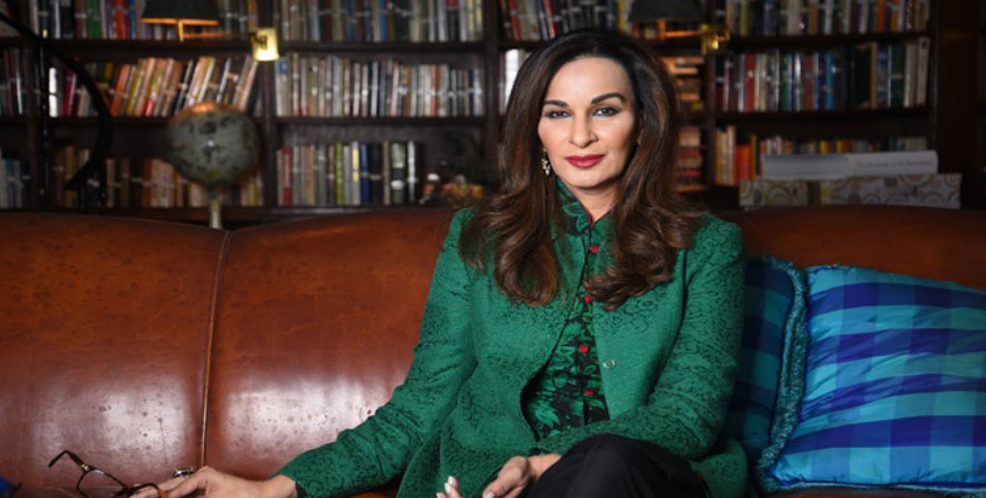
Vice President of PPP and Chair of Senate Standing Committee on Climate Change Senator Sherry Rehman has sought to ban the growing use of plastic covers on every book in Pakistan, calling it an environmentally harmful and dangerously new toxic practice . Senator Rehman stated that “Plastic is a forever chemical which is a huge environmental toxin. It cannot be introduced into our daily lives in a new retail endeavour to keep single use plastics in circulation when the world is discarding it.”

Advocating for her bill during a meeting of the Interior Senate Standing Committee, Senator Sherry Rehman underscored the importance of protecting our environment and public health from a toxic new trend of wrapping books routinely in plastic , despite the severe environmental and health consequences associated with plastic use. She noted that plastic is known now to be the “forever chemical ” that can take up to 1,000 years to fully decompose and is a major contributor to human health crises as well as environmental disasters. “It is a terrible hazard to public health because it chokes our rivers, storm drains landfills and coastlines, leaving more chemical and micro plastics in our food, soil, water and environment than we of the planet can sustain. While we struggle to put just Islamabad on the journey to be free of single use plastics , we now how book distributors and retailers now resorting to this totally unnecessary mass adoption of plastic for “covers” which is a bizarre reversal of environmental safeguards that should govern our consumption habits.

Senator Rehman emphasized that booksellers and publishers must take responsibility for discouraging this habit by discontinuing the use of plastic wrapping. She urged authorities to provide a clear and reasonable time frame to book sellers to ensure the complete phase-out of plastic covers.

Citing alarming global statistics, she stated that over 7 billion tons of plastic waste have been generated worldwide, of which only 9 percent has been recycled. In Pakistan, the situation is even more critical, with only 1 percent of plastic waste being recycled — a figure she described as dangerously low.

“If the Senate can give up plastic, then bookshops can do the same,” Senator Rehman remarked, underscoring the need for collective action to protect the environment.

The Interior Senate Standing Committee unanimously passed Senator Sherry Rehman’s bill aimed at preventing the use of plastic covers on books, marking a significant step forward in Pakistan’s efforts to reduce plastic pollution and promote sustainable practices.

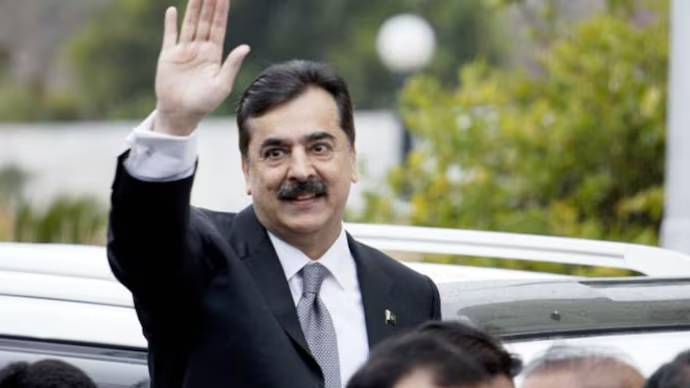
President Zardari condemns Kabul blast, expresses solidarity with Chinese nationals, calls for full implementation of Doha Peace Agreement

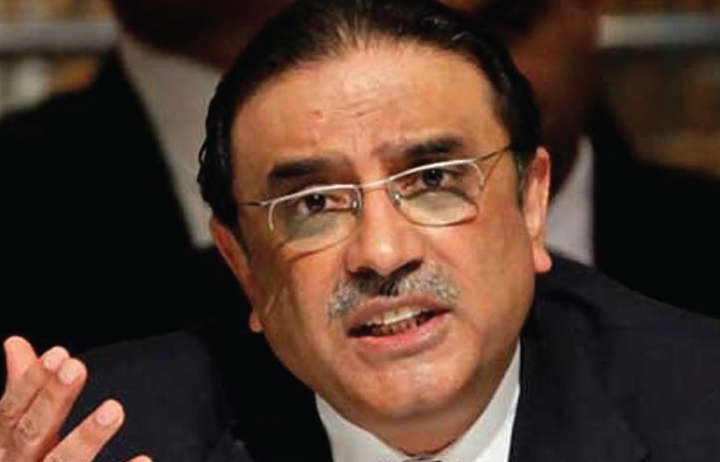
President Asif Ali Zardari has strongly condemned the bomb blast at a Chinese restaurant in Kabul, which has resulted in the loss of several lives and left one Chinese national injured and one reported dead. He expressed deep grief over the casualties and extended heartfelt condolences to the families of the victims.

The President conveyed sincere sympathy with the injured and their families and prayed for their early recovery. He paid tribute to the spirit of Chinese citizens who have continued to work for the development of Afghanistan despite rising insecurity and serious risks to their lives.

President Zardari noted that the Taliban regime in Afghanistan has failed to honour the commitments made under the Doha Peace Agreement, particularly the obligation to prevent the use of Afghan soil for the export of terrorism.

He recalled that Pakistan has repeatedly stressed that no terrorist groups should be allowed safe havens in Afghanistan and that regional peace and security must be upheld. The President said that it is not just Pakistan but other neighbours of Afghanistan, including Tajikistan have recently been affected by the terrorists operating out of Afghan soil.

The President further stated that the failure to establish a broad based and inclusive government by the Taliban is contrary to the Doha Agreement. He emphasised that full implementation of the agreement, in letter and spirit, along with concrete steps to end cross border terrorism, remains essential.

Senator Shahadat Awan, presiding over a meeting of the Senate Standing Committee on Railways after being elected as Chairman of the Committee at Parliament House Islamabad.

A meeting of the Senate Standing Committee on Railways was held at the Parliament House, Islamabad, for the election of the Chairman of the Committee. The meeting was attended by Senator Shahadat Awan, Senator Ashraf Ali Jatoi, Senator Dost Ali Jeesar, Senator Rubina Khalid, and Senator Nasir Mahmood.

During the meeting, Senator Dost Ali Jeesar proposed the name of Senator Shahadat Awan for the position of Chairman, Senate Standing Committee on Railways, which was seconded by Senator Ashraf Ali Jatoi. The Committee unanimously elected Senator Shahadat Awan as Chairman of the Senate Standing Committee on Railways.

All members of the Standing Committee congratulated the newly elected Chairman and assured him of their full cooperation. They reaffirmed that under the leadership of Senator Shahadat Awan, the Committee would become more active and effective.

The newly elected Chairman, Senator Shahadat Awan, thanked the Committee members for their confidence and trust, and reiterated that the Committee would continue to take effective measures for the resolution of public issues.

Chairman Pakistan Peoples Party (PPP) Bilawal Bhutto Zardari, while inaugurating the NED University–affiliated Thar Institute of Engineering,

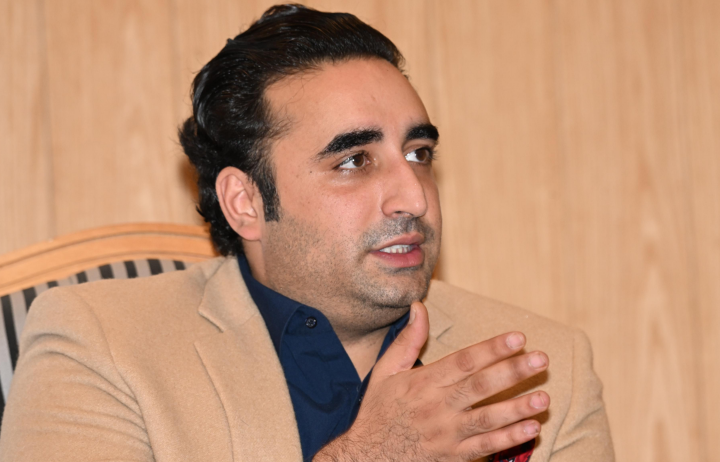
Chairman Pakistan Peoples Party (PPP) Bilawal Bhutto Zardari, while inaugurating the NED University–affiliated Thar Institute of Engineering, Science and Technology and the School of Modern Sciences in Tharparkar—Sindh’s desert district—said that the development of Tharparkar is vital to Pakistan’s progress, just as the development of Sindh and all four provinces is indispensable for the country’s overall advancement and prosperity.

According to the press release issued by the Media Cell Bilawal House, the PPP Chairman, while addressing the inauguration ceremony of the NED University–affiliated institutions, described the initiative as a gift from the Sindh government to the people of Tharparkar. He paid rich tribute to the people of the district for their unwavering loyalty to the Pakistan Peoples Party and said: “The people of Tharparkar have always stood by the PPP, by Shaheed Mohtarma Benazir Bhutto, and by Quaid-e-Awam Shaheed Zulfikar Ali Bhutto. Through the tireless efforts undertaken by the Pakistan Peoples Party—particularly for the development of Tharparkar—we have also demonstrated how deeply the Party loves and stands with the people of this region.”

Chairman Bilawal Bhutto Zardari reiterated that Tharparkar’s development is integral to Pakistan’s progress, just as the development of Sindh and all four provinces is essential for the country’s overall advancement. He said that from time to time, a deliberate and organized campaign is launched to malign not only Tharparkar but the entire province. He said that under a calculated agenda and conspiracy, certain forces seek to undermine provincial rights and seize control over provincial powers and resources, using the baseless pretext that the Sindh government or smaller provinces have failed to deliver and that all authority and resources should therefore be centralized in Islamabad. He added that Tharparkar itself stands as the strongest rebuttal to this false narrative, clearly demonstrating how the district has undergone a visible transformation in development after the 18th Constitutional Amendment—a change that is evident to the entire world.

Chairman PPP said that Thar coal is an asset of the people of Tharparkar, and that Tharparkar possesses as much coal as Saudi Arabia has oil. “Unfortunately, you were not allowed to utilize this resource. Whenever Shaheed Mohtarma Benazir Bhutto made efforts in this regard, those attempts were sabotaged through conspiracies,” he added. He said that the Thar Coal Project has not only brought about an economic revolution in Tharparkar but has also benefited industrial cities like Faisalabad through electricity generation. He added that beyond the economic transformation, Thar coal has also driven a social revolution. “Where once there were no dispensaries, no Basic Health Units, and no hospitals, today—due to government investment and economic gains—a comprehensive healthcare system has been established across Tharparkar. Alongside dispensaries and BHUs, roads were built and the Thar Foundation was established, into which a portion of profits from Thar coal is allocated to carry out social welfare. Under this foundation, hospitals have been set up and are being run in public-private partnership with Indus Hospital.”
Chairman Bilawal Bhutto Zardari said that the establishment of an NED University of Engineering and Technology institute in Tharparkar was a long-standing demand of the local people, particularly the youth, and work on it began in 2019. He added that the Chief Minister of Sindh has assured that before the end of the current government’s term, the NED campus will be granted the status of a full-fledged university.
He said that similar efforts are underway across Sindh, emphasizing that the PPP government is pro-poor and people-friendly. “Whether it is healthcare or education, we prioritize the interests of the people of this province,” he said, adding that it is a fact that under PPP governments, the number of universities in Sindh has doubled, and when campuses are included, the figure increases further. “Whether educational institutions or healthcare facilities—be it in Sindh or at the federal level—wherever the PPP has had the opportunity, we have delivered through practical work.”
Chairman Bilawal Bhutto Zardari expressed satisfaction over the significant presence of female students at this important educational institution in Tharparkar, saying it fulfilled the vision of Shaheed Mohtarma Benazir Bhutto, who believed in ensuring equal educational opportunities for women. He also said he was proud to learn that youth from Gilgit-Baltistan had come to Tharparkar to pursue their studies at the NED University campus. He said that those who believe Sindh’s development can only be routed through Islamabad have been proven wrong by the performance of the Sindh government. “Whether in education, healthcare, or power generation through public-private partnerships, Sindh has delivered major projects through its own initiative and capacity,” he added.
On the occasion, Sindh Chief Minister Syed Murad Ali Shah, Provincial Minister for Universities and Boards Muhammad Ismail Rahoo, other members of the provincial cabinet, legislators, local government representatives, party officials, and prominent figures from the area were also present.

Chairman Bilawal addresses briefing at President House

Under the auspices of the Information Department, Government of Sindh, a detailed briefing was held at the President House on Thursday, 15 January 2026.

The briefing was conducted by Chairman Pakistan Peoples Party, Bilawal Bhutto Zardari. Ambassadors and diplomatic staff of several countries, members of the business community from across Pakistan, and renowned journalists from Islamabad’s electronic and print media were in attendance.

Chairman Bilawal Bhutto Zardari briefed the gathering on the “Story of the Transformation of Sindh.” Achievements across various sectors were presented in detail, including health, education, climate and water, law and order, social protection, economy, energy, and mobility. The briefing covered the period from 2008, when the PPP formed the government in Sindh until 2025, outlining the initial conditions of these sectors, the progress achieved during this period, and the future direction moving forward.

The Chairman PPP stated that the health budget was increased from 2.9% to 10%, as the PPP believes that healthcare is not a privilege but a basic right. When the PPP took office in 2008, JPMC had a capacity of 1,100 beds, which has gradually increased to 2,028 beds under the PPP government. JPMC now has three CyberKnife facilities providing free medical treatment. Patients from 178 cities and 24 countries have been treated, with less than 50% from Sindh as 31% were from Punjab, 11% from KPK, 7% from Balochistan, and 5% from other countries. A new 12-storey building with 600 beds is in the pipeline, and by 2028 JPMC will have a total capacity of 3,200 beds.

NICVD and SICVD have treated 2.9 million patients since their establishment, making this the world’s largest primary cardiology programme. Currently, there are 11 hospitals and 30 chest pain units across Sindh. The National Institute of Child Health (NICH) increased its capacity from 3,400 beds to 5,750 beds, the largest number of beds in a single hospital in the world. SIUT has performed 7,700 kidney transplants and treated 4.5 million patients, benefiting a total of 35 million patients free of cost. GIMS has been performing liver transplants since 2016, with 1,362 transplants conducted so far. Of these patients, only 47% were from Sindh, while 35% were from Punjab, 15% from Balochistan, and 4% from KPK.

In primary healthcare, 175,000 patients have been treated in collaboration with the ChildLife Foundation. Due to these initiatives, the mortality rate in Sindh stands at 2.9%, the lowest in Pakistan and below the national average, with an overall decline of 16%.

Briefing on the education sector, Chairman PPP stated that from 1947 to 2008 there were only ten universities and two campuses in Sindh, whereas by 2025 the number has increased to 30 universities and 18 campuses. He informed that the student-teacher ratio, which was 50:1 in 2008, has been reduced to 35:1. Additionally, 129 new colleges were established. The Sindh Government provides 4,000 merit-based scholarships annually and has also established 10 autism centres.

Chairman Bilawal Bhutto Zardari further informed that under the Sindh Rural Support Organization (SRSO), 1.4 million women have been lifted out of poverty. Women were provided interest-free loans, with a recovery rate of 98%.

During the floods of 2022, over 70% of Sindh province was inundated, destroying 2.1 million houses. Under the Sindh Peoples Housing for Flood Affectees (SPHF), the Sindh Government initiated the construction of 2.1 million houses, the world’s largest housing initiative. These houses are climate-resilient, with 75,000 already completed. The project has generated employment for one million people. Notably, ownership of the houses is granted to women, making it the world’s largest asset-ownership initiative for women.

In the agriculture sector, the Sindh Government disbursed Rs 21 billion to 198,000 beneficiaries through the Benazir Hari Card. Furthermore, 4,110 km of canals were lined, and 57,000 km of roads were constructed. The Sindh Government also built the largest bridge over the River Indus. Electric buses and pink buses were introduced for the first time in Pakistan, along with the launch of the Pink Scooty project for women and girls.

Chairman PPP stated that energy was one of the country’s biggest challenges, and the Sindh Government now generates 1,845 megawatts through its wind energy programme. Solar energy units have been provided to 200,000 families, with a further 275,000 units planned for the next phase. Under public-private partnerships, three additional solar projects are underway for Karachi. Special Economic Zones have been established, along with several public-private partnership projects. He noted that the concept of public-private partnership was first introduced in the PPP’s 1993 election manifesto by Shaheed Mohtarma Benazir Bhutto. The Sindh Engro Coal Mining Company is a prime example of this model. The Thar Coal Project has created 3,000 jobs, 71% of which were given to the local population, and for the first time women truck drivers were seen working at the project.

Chairman PPP said that when the Federal Government initially asked Sindh to collect sales tax on services, it amounted to Rs 16.6 billion. Within one year, the Sindh Government increased this collection to Rs 28 billion. Today, Sindh collects Rs 316 billion in sales tax. He emphasized that cutting the provincial share under the NFC will not resolve fiscal challenges and that tax collection should be devolved to the provinces. On record, Sindh has shown the best performance in sales tax collection. Other provinces have also performed better than the federal government in this regard, proving that provinces are more effective in tax collection. He added that provinces should be incentivized by allowing them to retain any tax revenue collected beyond their assigned targets.

Chairman Pakistan Peoples Party (PPP) Bilawal Bhutto Zardari, underscoring the central role of doctors in strengthening the public healthcare system

Chairman Pakistan Peoples Party (PPP) Bilawal Bhutto Zardari, underscoring the central role of doctors in strengthening the public healthcare system, has said that healthcare professionals must have a meaningful voice in shaping health policy, public health reforms and medical education in the country. He stressed that a society which fails to respect and protect its doctors, nurses and healthcare workers cannot be regarded as truly civilized.

According to the press release issued by the Media Cell Bilawal House, Chairman PPP attended the convocation ceremony of Jinnah Sindh Medical University (JSMU) as the chief guest here on Tuesday. Addressing the convocation, he said the occasion marked not only a personal milestone for the graduates but also a defining moment for the nation, as young doctors step into a world facing unprecedented healthcare challenges. He said the graduates had completed their education during an era shaped by global pandemics, climate emergencies, mental health crises and widening inequalities in healthcare. He further said that Jinnah Sindh Medical University carried a name synonymous with vision, discipline and service, adding that Quaid-e-Azam Muhammad Ali Jinnah firmly believed that education and health were the foundations of a strong Pakistan. “A nation cannot rise if its people are unwell, unheard or unseen,” he added.

Chairman Bilawal Bhutto Zardari said medicine was not merely about diagnostics or pharmacology, but about humanity itself. “Your white coats are not symbols of privilege; they are promises—to serve without prejudice, to heal without discrimination and to place compassion above convenience,” he added. He stressed that healthcare professionals deserved not only gratitude but also dignity, protection and adequate resources to perform their duties safely.

Chairman PPP said that Pakistan continued to face serious healthcare challenges, including maternal and child mortality, malnutrition, neglect of mental health, climate-related diseases and unequal access to healthcare. He said these challenges would be overcome not by slogans, but by skilled, ethical and committed doctors willing to serve where they were most needed.

Chairman Bilawal Bhutto Zardari assured young doctors that their voices must play a role in shaping health policy, public health reforms and medical education in the country. He said Pakistan needed doctors who were competent and conscious, intelligent and ethical, ambitious yet accountable. “Pakistan needs you. Sindh needs you. Humanity needs you,” he said. He also lauded the role of the faculty and administration of JSMU.

Sindh Chief Minister Syed Murad Ali Shah, Sindh Minister for Universities and Boards Muhammad Ismail Rahu, BC Amjad Siraj Memon, university officials and other dignitaries were also present on the occasion.

First Lady meets Indonesian Vice Minister of Trade; highlights Sindh’s world-record climate-resilient housing, women’s empowerment and shared commitment to Palestine

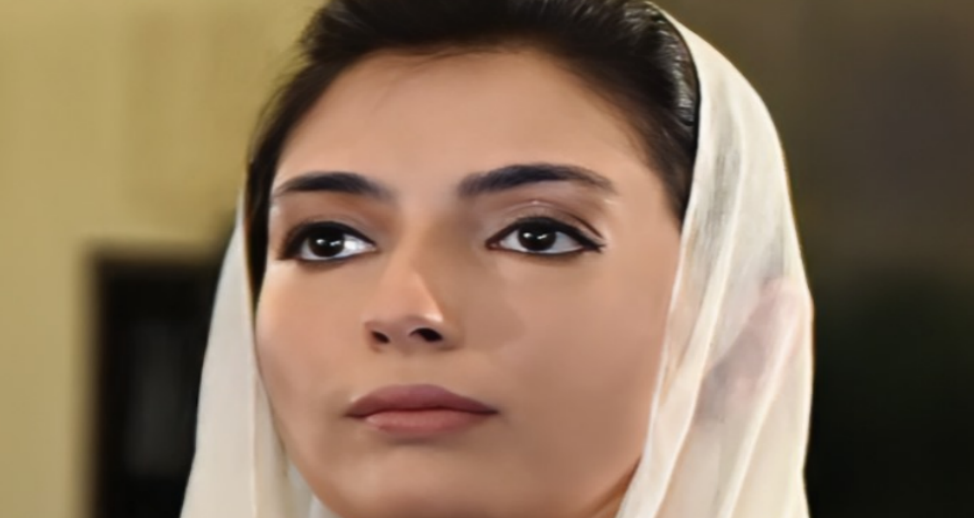
First Lady Bibi Aseefa Bhutto Zardari, MNA, met Vice Minister of Trade of Indonesia Dyah Roro Esti Widya and discussed ways to further strengthen cooperation between Pakistan and Indonesia, with a particular focus on women’s empowerment, climate resilience, social welfare, sustainable development and people-to-people ties.

The First Lady conveyed heartfelt condolences over the loss of lives and damage caused by recent landslides and floods in Sumatra. She expressed sympathy with the affected families and prayed for the swift recovery of the injured.

Welcoming the Vice Minister to Pakistan, Bibi Aseefa Bhutto Zardari said her visit reflects the warmth, trust and depth of longstanding relations between Pakistan and Indonesia. She also noted the Vice Minister’s ancestral links to Pakistan and said this personal connection adds a meaningful and symbolic dimension to bilateral engagement.

Recalling the unprecedented floods that struck Sindh in 2022, the First Lady shared that, under the leadership and vision of Bilawal Bhutto Zardari, the Government of Sindh has since constructed over two million flood-resistant and climate-resilient homes, setting a world record in post-disaster recovery and adaptation. She underscored that the land titles of these homes have been transferred in the names of women heads of households, a landmark step aimed at deepening women’s empowerment, economic security and social dignity in Sindh.

The First Lady also highlighted Sindh’s successful public-private partnership (PPP) model, through which the provincial government has delivered sustainable and scalable projects in healthcare, education, renewable energy and infrastructure development, noting that this model has strengthened service delivery while ensuring long-term fiscal and environmental sustainability.

On regional and global issues, the First Lady praised the principled and consistent stance of Indonesian President Prabowo Subianto on the Gaza crisis, particularly Indonesia’s support for the legitimate rights of the Palestinian people to self-determination and a two-state solution. She reaffirmed Pakistan’s commitment to supporting Gaza’s reconstruction and the establishment of a free, independent Palestinian state with Al-Quds as its capital, stressing that the scale of human suffering demands sustained international engagement, protection of civilians and unhindered humanitarian access.

Highlighting climate change as a shared global challenge, Bibi Aseefa Bhutto Zardari emphasised that vulnerable communities are increasingly exposed to extreme weather events. She stressed the importance of climate-resilient, climate-friendly housing solutions, particularly for low-income populations, as a critical tool for disaster preparedness, recovery and long-term sustainability.

Expressing appreciation for Indonesia’s progress, the First Lady said she was encouraged to see women in senior leadership roles and looked forward to closer collaboration with Indonesia to exchange best practices and undertake joint initiatives promoting gender equality and inclusive development.

The Indonesian Vice Minister expressed deep interest in learning from Sindh’s experience in large-scale climate-resilient housing and welcomed the opportunity to explore structured cooperation in this area. She also conveyed Indonesia’s interest in expanding collaboration in palm oil plantation, edible oil production and investment, including potential partnerships aimed at enhancing food security and value-chain development.

The meeting also reviewed recent high-level exchanges between the two countries. The First Lady welcomed President Prabowo Subianto’s recent visit to Pakistan and appreciated Indonesia’s social welfare initiatives, including programmes focused on nutrition for women and children. She noted that Pakistan is pursuing similar objectives through flagship initiatives such as the Benazir Income Support Programme.

Both sides reaffirmed their commitment to further strengthening Pakistan-Indonesia relations through sustained dialogue, mutual understanding and practical cooperation across areas of shared interest.

Sindh Government Believes in Democratic Traditions, Constitutional Values and Mutual Respect: Humayun Khan

Pakistan Peoples Party (PPP) Secretary General Humayun Khan has stated that the PPP-led Sindh Government has always upheld democratic traditions, constitutional values, and the principle of mutual respect.
He clarified that in line with this democratic approach, the Sindh Government will extend full official protocol to the Chief Minister of Khyber Pakhtunkhwa in accordance with his constitutional office.
Humayun Khan said that the political conduct of the Pakistan Peoples Party has consistently been based on civility, tolerance, and political maturity. He emphasized that whether in government or in opposition, the PPP does not turn political differences into personal animosity and always prioritizes respect for constitutional institutions.
The Secretary General remarked that, unfortunately, the current leadership of Khyber Pakhtunkhwa has often displayed a confrontational and provocative attitude, along with political intolerance, which is contrary to democratic norms. He stressed that while political disagreements are natural, respect for constitutional offices and positions must be upheld under all circumstances.
Humayun Khan further stated that the Pakistan Peoples Party believes in practical politics and does not rely on slogan-mongering or baseless accusations. According to him, the country currently requires political stability, inter-provincial harmony, and serious leadership, rather than a politics of hatred and division.
He added that this step by the Sindh Government is clear evidence that the Pakistan Peoples Party not only advocates democracy but also practices it in letter and spirit. He also urged other political parties to review and reform their political conduct and attitudes in the broader national interest.

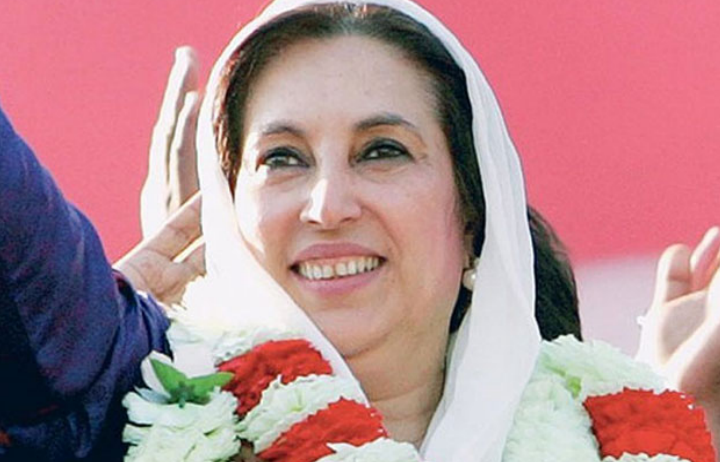
Pakistan Peoples Party is a democratic, people-friendly and progressive political force that is the true custodian of the thoughts and ideology of Quaid-e-Awam Shaheed Zulfikar Ali Bhutto

Pakistan Peoples Party is a democratic, people-friendly and progressive political force that is the true custodian of the thoughts and ideology of Quaid-e-Awam Shaheed Zulfikar Ali Bhutto and Shaheed Mohtarma Benazir Bhutto, said Pakistan Peoples Party Secretary General Muhammad Humayun Khan.
He stated that the vision of the Pakistan Peoples Party is to build a Pakistan where the supremacy of the Constitution, public sovereignty, social justice and economic equality are fully ensured.

Muhammad Humayun Khan emphasized that the Pakistan Peoples Party firmly believes in providing equal rights to every citizen of the country without any discrimination of color, race, language or religion. The party is committed to taking practical steps for education, healthcare, employment opportunities, women empowerment and a bright future for the youth.

According to Muhammad Humayun Khan, the vision of the Pakistan Peoples Party is a peaceful, prosperous and strong Pakistan where the state is responsible for the welfare of its people, the poor receive justice, laborers are given their due rights, and farmers are rewarded fairly for their hard work.
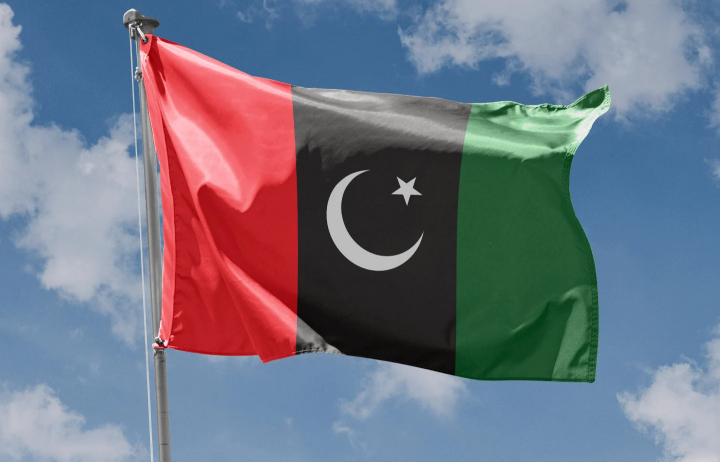
He further said that the Pakistan Peoples Party is a symbol of federation, a guardian of democracy and the true voice of the people, which constitutes its core vision and mission.