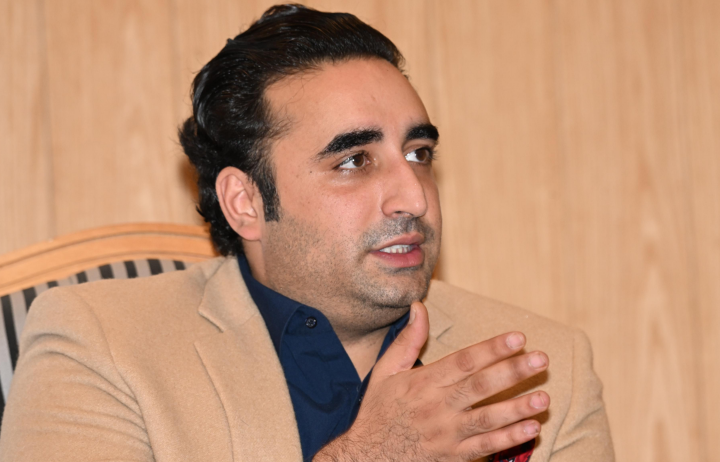
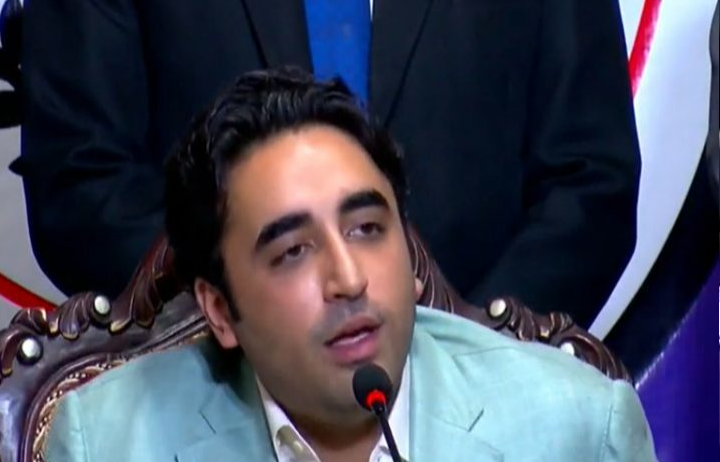
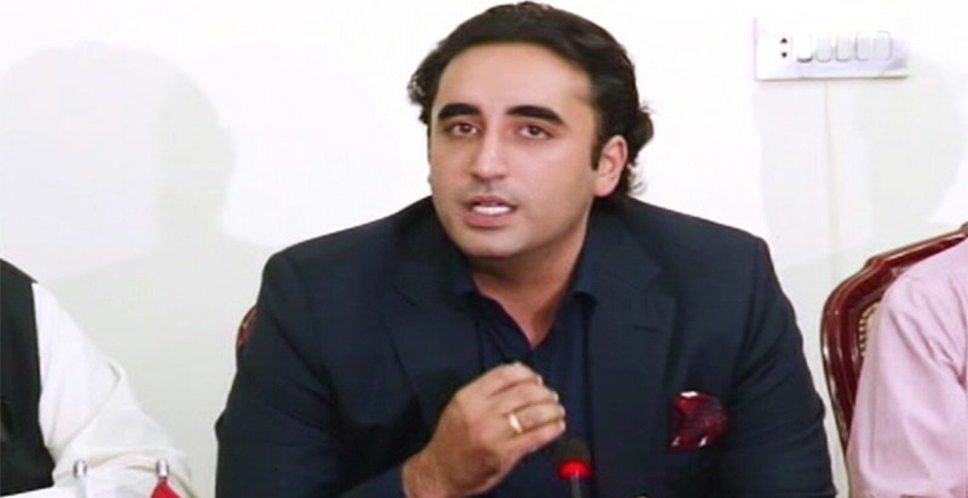
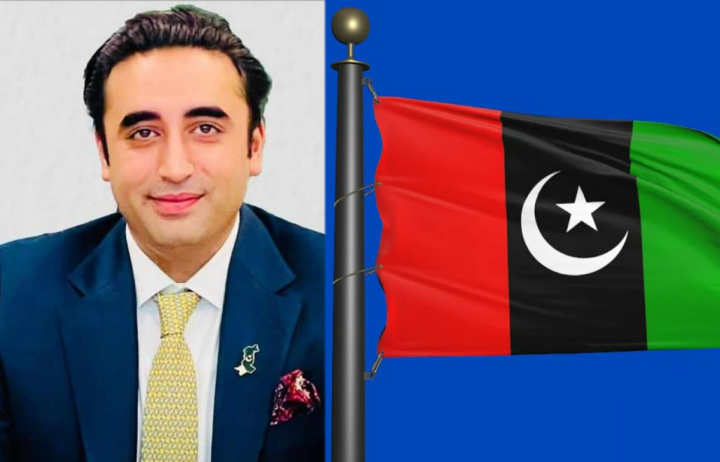
Chairman Pakistan Peoples Party (PPP) Bilawal Bhutto Zardari inaugurated state-of-the-art, fully equipped intensive care units for children and newborns under the Sindh Institute of Child Health and Neonatology (SICHN) in Larkana. The advanced facility, furnished with modern medical technology, will provide free, high-quality critical care to infants and children, benefiting not only the people of Larkana but also patients from adjoining districts of Punjab and Balochistan.
According to the press release issued by the Media Cell Bilawal House, the PPP Chairman visited the neonatal intensive care units, where he reviewed in detail the modern, high-quality and completely free medical facilities being provided to newborns and children. On the occasion, PPP Sindh President Nisar Ahmed Khuhro, Sindh Chief Minister Murad Ali Shah, Provincial Health Minister Dr. Azra Fazal Pechuho, provincial ministers, members of the assembly, and other leaders and dignitaries were also present.
After the inauguration, speaking to the media, Chairman Bilawal Bhutto Zardari said that under the 18th Constitutional Amendment, the PPP government in Sindh has worked extensively to fulfil its responsibilities in the public health sector. He said the Sindh government has not only improved facilities like the NICVD but has also strengthened and expanded the reach of the National Institute of Child Health (NICH). He added that four such facilities are now operational in Karachi, while NICH centres have also been established in Larkana, Nawabshah, Sukkur and Jamshoro. He pointed out that the work being carried out by the Sindh government in the field of child healthcare has no parallel in other provinces, nor can they compete with Sindh in this sector.
Chairman PPP said that alongside the NICH initiatives, collaboration with the Child Life Foundation has led to a significant reduction in maternal and child mortality rates in Sindh. He noted that before the formation of the PPP government, Sindh had the highest maternal and child mortality rates in the country, but as a result of the PPP government’s measures, the province has now witnessed the greatest decline in these indicators. He said the Sindh government would continue to expand the NICH network by including more districts every year to address a major public need.
He said providing free, world-class medical facilities to the people is the core philosophy of the PPP. Emphasizing the point again, he said the country is facing conditions akin to a purchasing power crisis, where it has become difficult for the “Aam Admi” to meet basic needs from his salary. He said the PPP is striving to introduce government-level measures that can ease the economic burden on ordinary citizens.
Responding to a journalist’s question about the country’s current economic situation, Chairman Bilawal Bhutto Zardari said that if the test is that the government has saved Pakistan from default, then undoubtedly the situation is better than default. However, he added, it is also a fact that the cost of food items, household expenses, children’s education and healthcare have gone beyond the purchasing power of the common man.
In reply to another question, he said his party’s approach to the privatization of state-owned institutions differs from that of other parties. He said the Sindh government’s public-private partnership (PPP) model has proven to be the most successful. He added that if the federal government wants to effectively address the economic crisis, particularly the issue of fiscal space, public-private partnerships can play a crucial role.
Elaborating further, Chairman Bilawal Bhutto Zardari said the federal government should seriously consider this aspect and learn from the successes of the Sindh government’s public-private partnership model, which has not only proven effective but has also received international recognition. He said the Sindh government’s PPP model has been ranked sixth in the region by the renowned international publication The Economist magazine, which is evidence that this model can also be implemented at the federal level and in other provinces.
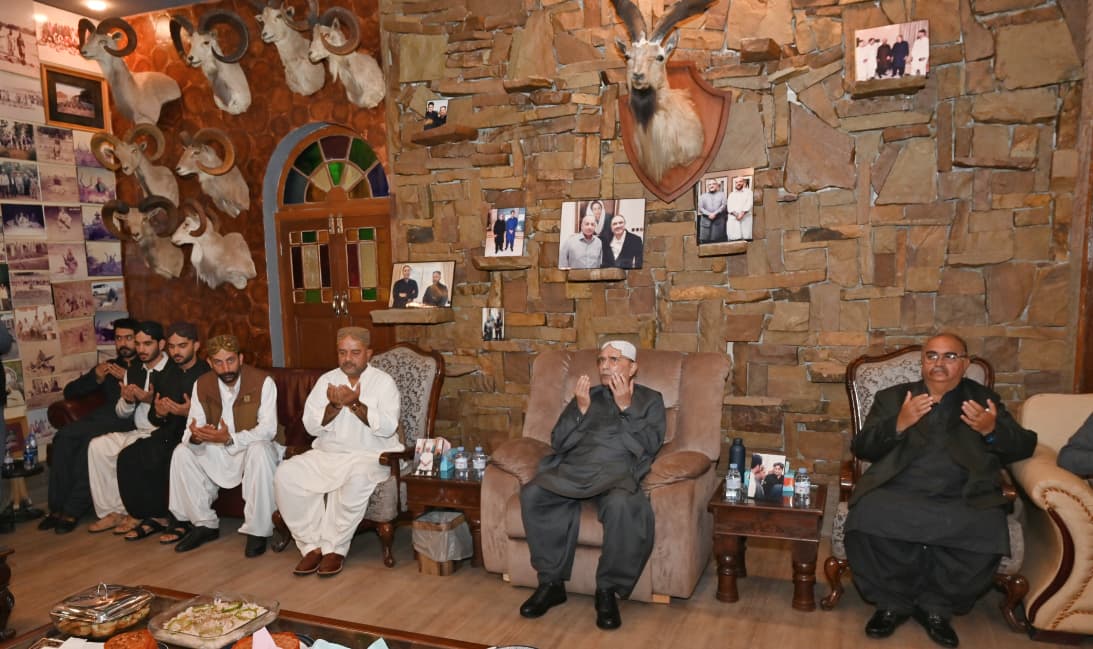
Chairman Bilawal Bhutto Zardari said he was grateful to Mian Muhammad Nawaz Sharif and Prime Minister Mian Shehbaz Sharif for sending a delegation to Garhi Khuda Bakhsh on the occasion of the 18th martyrdom anniversary of Shaheed Mohtarma Benazir Bhutto. He said the meeting was solely in connection with the anniversary, and no political discussions or talks on any other matters took place.
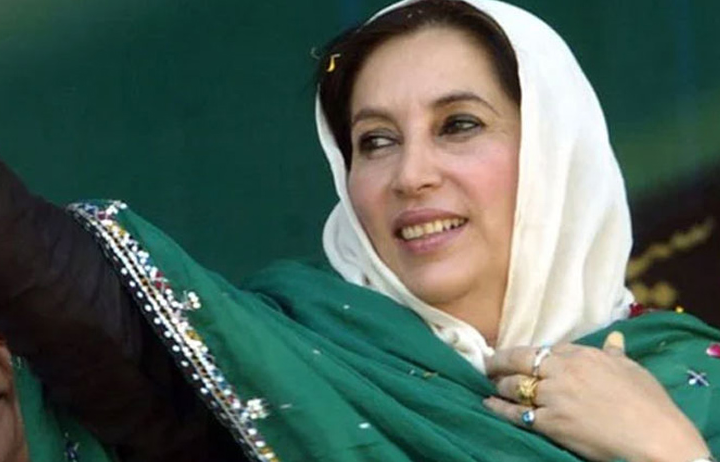
Chairman Bilawal Bhutto Zardari said that even in his address the previous day on the martyrdom anniversary of Shaheed Mohtarma Benazir Bhutto, he had spoken strictly in accordance with her ideology and manifesto. Continuing his remarks, he said that Shaheed Mohtarma Benazir Bhutto’s political message was rooted in reconciliation, and that Pakistan today needs the same approach more than ever. He said reconciliation was the core philosophy of Shaheed Mohtarma Benazir Bhutto, and that President Asif Ali Zardari played the most significant role in translating this philosophy into practice. He added that President Zardari enjoys the trust of the entire country for his ability to act as a unifying force and promote political reconciliation.
The PPP Chairman said that if politics is pursued through extremism, then there should be no complaints about a harsh reaction in response. He said attacks on national institutions in reaction to arrests or legal proceedings are unacceptable. Referring to the PPP’s experience and history, he said his clear suggestion is that PTI should abandon politics of extremism and bring its politics back within the democratic framework. He added that this decision would be better for PTI, its workers and for the overall democratic politics of the country, and that its positive impact would be felt across Pakistan.
Chairman Bilawal Bhutto Zardari urged all political parties to undertake electoral reforms before the next general elections to ensure that future polls are free of controversy. He pointed out that even in the recent by-elections in Punjab, contesting candidates and the media have raised concerns. He stressed that legislation is unavoidable to restore public trust in the electoral process, including the Election Commission. He added that the writing on the wall is clear that general elections are not going to be held anytime soon.